
Sevilla’s Plaza del Pelícano to Restore Medieval Red Cobblestones in Major Renovation
Sevilla's Plaza del Pelícano and Calle Juzgado are set for a comprehensive renovation, including the restoration of medieval red cobblestones, aiming to revitalize these historic areas.
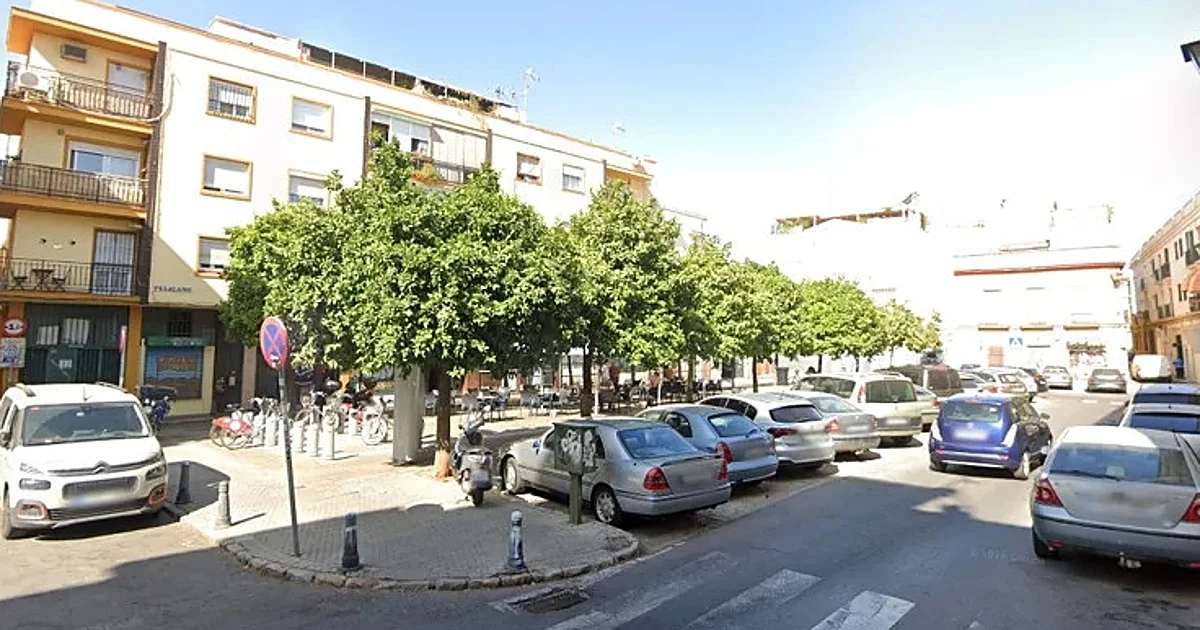
The historic Plaza del Pelícano and Calle Juzgado in Sevilla's Old Town are slated for a significant comprehensive renovation, set to commence in late summer or early autumn. This extensive project, with an investment exceeding 800,000 euros, aims to address the evident deterioration of these enclaves and restore elements of their medieval heritage. A key feature of the renovation will be the reintroduction of red cobblestones, characteristic of medieval Sevilla, in the central area of the Plaza del Pelícano.
The works, expected to last approximately eight months, will involve a complete overhaul of sanitation and water supply networks, reorganization of parking, expansion of sidewalks and pedestrian areas, and the planting of over a dozen new trees to provide additional shade. Traffic will be restricted during the construction period. The project, recently put out to tender, is open for company bids until June 18th. It incorporates the new style guide from the Urban Planning Management, advocating for Gerena cobblestones for roadways, a single platform design for improved accessibility, and the replacement of existing streetlights with Fernando-style fixtures.
A Glimpse into Medieval Sevilla
The most distinctive aspect of this intervention is the recovery of the red cobblestones, which were a hallmark of medieval Sevilla. These unique pieces will be installed in the central part of the Plaza del Pelícano, an area currently occupied by outdoor seating from nearby bars and tree pits. This decision is a nod to Calle Enladrillada, the last street in the city center that still preserves this type of paving.
The use of red cobblestones was prevalent in medieval Sevilla, where mixed materials were employed on sidewalks and roadways to distinguish areas for carriages and animals from those for pedestrians. Pedestrian zones often featured materials easier to walk on. Towards the end of the 16th century, these pavements became systematically adopted throughout the city. Red and white bricks were often laid on their sides for high-traffic sidewalks, while other streets used a more traditional arrangement. This method created a compact, resistant, aesthetically pleasing surface that also facilitated rainwater drainage. However, in the 1960s, these traditional bricks began to disappear, replaced by asphalt. The current city government, under José Luis Sanz, is now seeking to reverse this trend in Old Town renovations.
Improved Pedestrian Experience and Reduced Traffic
The renovation project includes several enhancements for pedestrians and changes to traffic flow. A significant modification in Plaza del Pelícano will be the elimination of the traffic lane closest to commercial premises, converting it into an expanded pedestrian zone. Vehicle access will be maintained on the opposite side, as will access to Calle Enladrillada and the industrial warehouses at the far end of the plaza.
The works will also address uneven sidewalks and the current narrowness of Calle Juzgado, separating the roadway from pedestrian areas with a perimeter made of pink Monforte granite. Parking spaces will also be significantly reduced, from approximately twenty to no more than six in total. This emphasis on pedestrianization and accessibility aligns with modern urban planning principles while re-embracing historical aesthetics.
Datos clave
- Inversión: Más de 800.000 euros
- Inicio obras: Finales de verano o principios de otoño
- Duración estimada: Aproximadamente 8 meses
- Material clave: Adoquín rojo medieval de Gerena
Greening and Urban Furniture
The project also includes significant greening efforts and an upgrade of urban furniture. The 16 existing orange trees, which provide shade, will be preserved. Additionally, eleven new trees will be planted: three Grevillea Robusta and eight Sophora Japónica Pyramidalis, consistent with species used in other Sevilla streets like Méndez Núñez and Amor de Dios.
Urban furniture will see a complete renewal, featuring Fernando-style streetlights with LED technology mounted on classic columns and arms. New benches will be installed to encourage rest and leisure, particularly for older residents, with the aim of having a bench every 50 meters. Waste bins will also be replaced with Cibeles models, offering capacities of 50 and 120 liters, completing the modernization of the area. This comprehensive approach ensures that both the historical charm and modern functionality of these important public spaces are enhanced.
Fuente: abc.es, https://www.abc.es/sevilla/ciudad/plaza-pelicano-recuperara-adoquin-rojo-sevilla-medieval-20260520162808-nts.html
Source
abc.es Original publication: 2026-05-20T05:27:08+00:00