
Asturias seeks control of Príncipe de Asturias boulevard project from Ministry
The Asturian government has formally requested the Ministry of Transport to transfer the project and permits for the Avenue Príncipe de Asturias humanization, aiming to expedite its transformation into a boulevard and reduce heavy vehicle traffic.

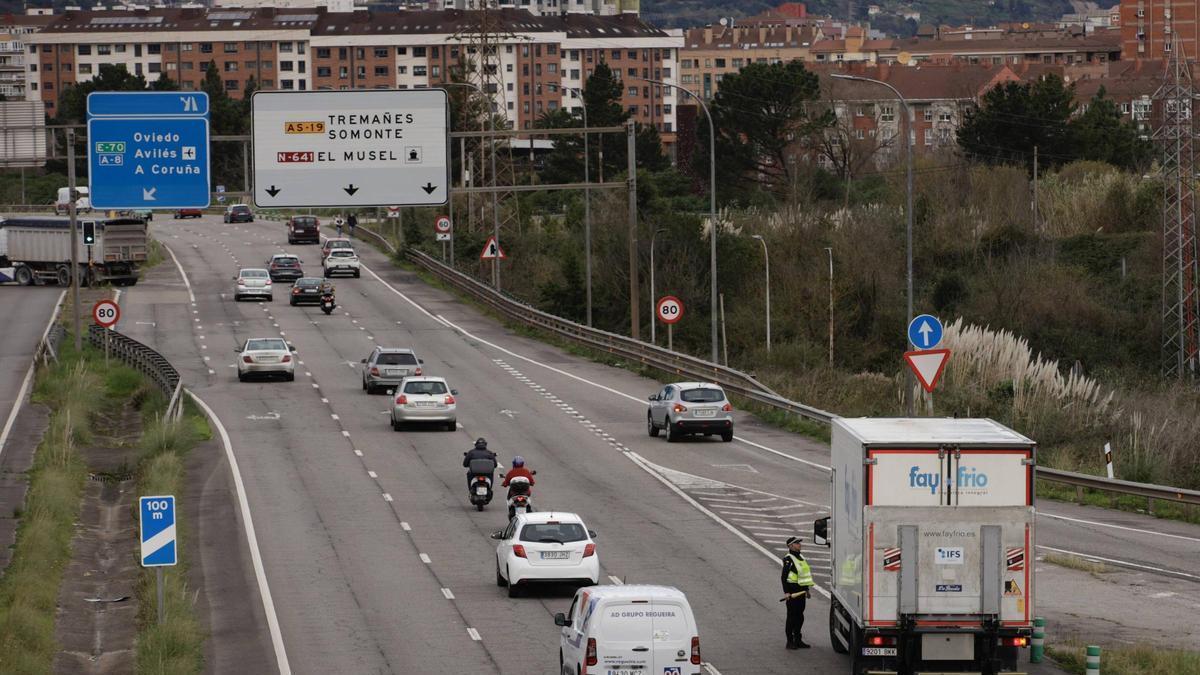
The Asturian regional government has initiated steps to assume control over the planned humanization project for Avenida Príncipe de Asturias in Gijón. A formal request has been submitted to the Ministry of Transport and Sustainable Mobility, seeking the transfer of the project and the necessary permits to execute the conversion of the avenue into a boulevard.
This move by the Principality aims to accelerate the works, which are intended to minimize the impact of heavy truck traffic passing through the La Calzada area. The decision comes amid ongoing protests from local residents who are actively voicing their concerns and have initiated a complaint with the Ombudsman.
Por que importa
The Ministry of Mobility, Local Cooperation, and Emergency Management, through the Directorate General of Roads, has conveyed this formal request. The regional government has also expressed its readiness to formalize the necessary collaboration instruments and administrative agreements to facilitate the project's cession and to undertake its direct execution. This would be carried out within the framework of institutional coordination and under the technical supervision of the Ministry of Transport and the State Road Directorate in Asturias.
The intervention is part of a broader "Integral Proposal for the Improvement of Access to the Port of El Musel and the Reduction of Heavy Traffic in Urban Areas of Gijón and Carreño." This strategy, championed by the Government of Asturias, integrates road, rail, and urban actions to enhance the port's logistical competitiveness while ensuring the compatibility of economic activity with urban quality of life.
Contexto
The project for Príncipe de Asturias, originally drafted by Ineco under the Ministry of Transport's commission, spans approximately 2.5 kilometers of the port access corridor. It proposes a comprehensive upgrade of the road space without compromising its strategic function for port-related traffic. The plan incorporates solutions tailored to the specific characteristics of each section of the corridor.
In areas closely linked to port access and industrial traffic, the focus is on optimizing movements and maintaining the necessary road capacity to ensure the port's operational efficiency and economic activity. For consolidated urban sections, the project aims to enhance accessibility, pedestrian continuity, and integration with the surrounding neighborhoods, thereby improving the connection between the two sides of the avenue.
Key planned interventions include improvements to intersections and urban routes, the creation of accessible and continuous pedestrian pathways, segregated cycle routes, and landscaping and environmental integration measures. The renewal of the urban environment also involves new tree-lined avenues and enhanced public spaces. These enhancements are designed to bolster road safety, strengthen inter-neighborhood connections, and mitigate the historical "barrier effect" created by the infrastructure.
The Principality highlights that this project will be complemented by other initiatives within the comprehensive proposal. These include the duplication of the GJ-10 road, improvements to port road access, new connections to the high-capacity network, interventions on the Aboño access, and the promotion of rail and multimodal transport. The overarching goal is to progressively reduce heavy vehicle traffic in urban areas and transition towards a more efficient and sustainable mobility model.
This development is significant for Football Español readers as it directly impacts the urban landscape and infrastructure of Gijón, a city with a strong footballing presence. Improvements to traffic flow and the creation of more pedestrian-friendly spaces can enhance the overall quality of life for residents and potentially influence the accessibility and atmosphere around local footballing sites. Furthermore, the project's connection to the Port of El Musel highlights the economic and logistical importance of the region, which often intertwines with sports and community development.
Datos clave
- Solicitante: Gobierno de Asturias
- Ministerio Receptor: Ministerio de Transportes y Movilidad Sostenible
- Proyecto: Humanización Avenida Príncipe de Asturias (conversión en bulevar)
- Objetivo principal: Agilizar obra, minimizar impacto tráfico pesado, mejorar calidad urbana
- Contexto: Propuesta Integral para mejora accesos al Puerto de El Musel
Fuente: lne.es (https://www.lne.es/gijon/gijon-oeste/2026/05/22/principado-mueve-ficha-principe-asturias-130527116.html)
Source
lne.es Original publication: 2026-05-22T08:23:25+00:00