
Zapatero’s Political Trajectory: From Moncloa Pact to Alleged Corruption
A critical analysis of José Luis Rodríguez Zapatero's political career, examining his role in key historical moments and recent allegations of illicit activities.

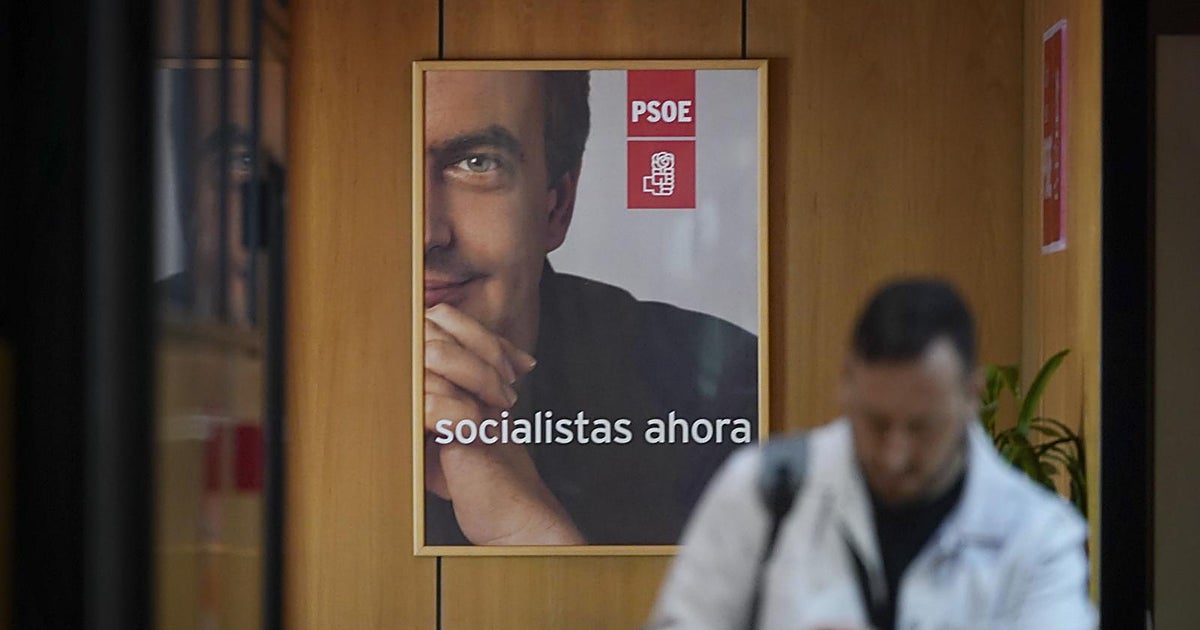
Isabel San Sebastián, writing for ABC, offers a critical perspective on former Spanish Prime Minister José Luis Rodríguez Zapatero, questioning the surprise expressed by some regarding his recent imputation. The author contends that Zapatero's alleged lack of morality was evident long before the current accusations of creating opaque societies to collect illicit gains from influence peddling and money laundering.
The article suggests that while these alleged criminal activities, detailed in Judge Calama's ruling, might lead to a prison sentence for the "immense damage caused to our country," they do not represent the most severe aspect of his historical record. San Sebastián posits that Zapatero was already demonstrating his true character prior to any alleged illicit enrichment.
Historical Political Stance
The piece recalls Zapatero's role as PSOE leader in December 2000, when he signed the Pact for Liberties and Against Terrorism with Aznar at Moncloa. This pact aimed to politically isolate ETA. However, the author highlights that concurrently, Zapatero's envoy, Eguiguren, was allegedly negotiating a secret surrender agreement with ETA leader Josu Ternera. San Sebastián asserts that Zapatero's successor, Pedro Sánchez, is now fulfilling the terms of this alleged secret agreement by releasing convicted terrorists and forming alliances with Bildu.
The author recounts personal interactions with Zapatero during his time as opposition leader, noting his "conviction" about becoming president despite contrary poll predictions. This perspective shifted dramatically on March 11, 2004, the date of the Madrid train bombings, which San Sebastián argues altered the course of the subsequent elections and Spanish history. The article references a later revelation by a Moroccan Interior Minister to his Spanish counterpart, Mayor Oreja, suggesting the attacks were carried out by a secret service, though not necessarily the one he led.
Economic Policies and Legacy
Following his rise to power, attributed by the author to the terrorist attacks, Zapatero is accused of engaging in revanchism by discrediting the Spanish Transition and promoting a divisive "historical memory" policy. His economic management is described as disastrous, pushing the nation to the brink of bankruptcy and leading to measures such as pension freezes, which ultimately resulted in his significant electoral defeat in 2011.
The article suggests that after his defeat, Zapatero sought to influence foreign policy in favor of "Chavismo and China," aiming to position Spain as a stronghold for these regimes in Europe and allegedly to enrich himself. San Sebastián labels this as "corruption of the highest order," contrasting it with mere theft.
Datos clave
Event: Imputation of José Luis Rodríguez Zapatero
Allegations: Creating opaque societies for illicit gains, influence peddling, money laundering
Key Political Moment: Pact for Liberties and Against Terrorism (2000)
Election Impact: Madrid train bombings (2004)
Economic Outcome: Pension freezes, electoral defeat (2011)
The analysis presented by Isabel San Sebastián offers a critical interpretation of José Luis Rodríguez Zapatero's political career, framing his actions and decisions within a narrative of moral deficiency and political maneuvering. For readers of Football Español interested in Spanish politics and its broader societal implications, this perspective underscores the complex and often contentious nature of political leadership and historical events in Spain.
Fuente: abc.es – https://www.abc.es/opinion/isabel-san-sebastian-zapatero-nunca-bambi-20260522140327-nt.html
Datos clave
- Fuente: abc.es
- Fecha: 2026-05-23T08:14:09+00:00
- Tema: Zapatero nunca fue Bambi
Source
abc.es Original publication: 2026-05-23T08:14:09+00:00