
The Tactical Evolution of Real Madrid Under Carlo Ancelotti: A Masterclass in Adaptability
Carlo Ancelotti has once again demonstrated his unparalleled ability to adapt and evolve, transforming Real Madrid into a tactically fluid and formidable unit. This column explores the key shifts and strengths of his current approach.
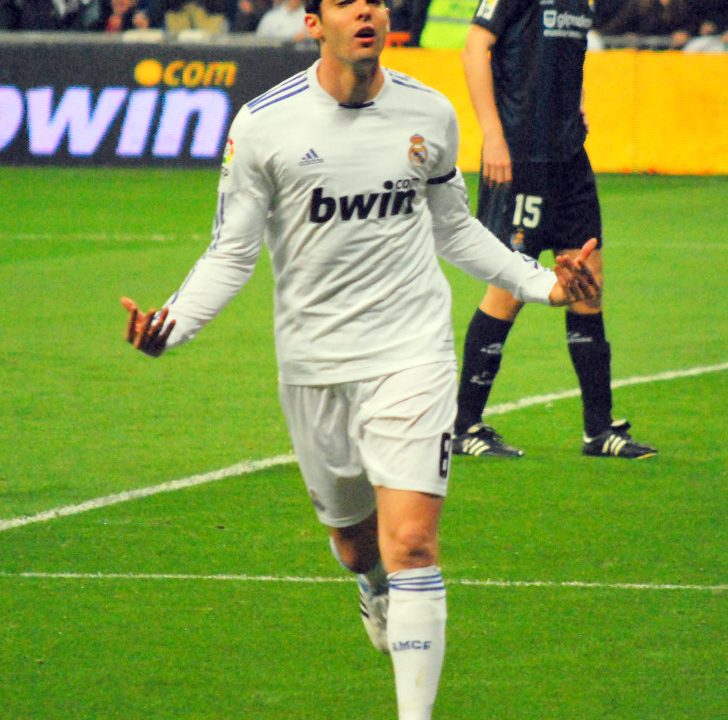
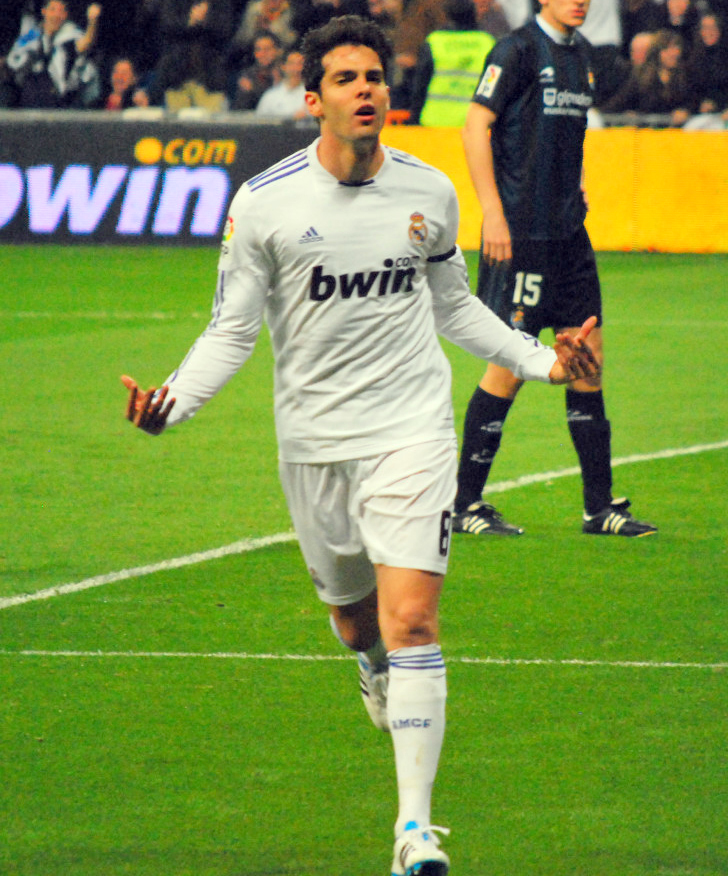
Carlo Ancelotti’s tenure at Real Madrid, particularly this current spell, has been defined by a remarkable capacity for adaptation. Far from being a rigid ideologue, the Italian manager has consistently demonstrated an ability to mold his team to its players, the opposition, and the evolving demands of modern football. This tactical fluidity, rather than a single, unwavering philosophy, has been the bedrock of Real Madrid’s sustained success under his guidance, enabling them to navigate the pressures of La Liga and the Champions League with consistent potency.
The enduring question surrounding any successful manager is whether their methods are a product of innate genius, fortunate circumstances, or a deep understanding of the game’s granular details. With Ancelotti, it appears to be a potent blend of all three. His Real Madrid is not a team that dictates play through an unyielding system; instead, it’s a side that understands how to manipulate space, exploit weaknesses, and control the tempo of a game through intelligent positioning and astute tactical adjustments. This column delves into the core elements of Ancelotti’s tactical evolution at the Santiago Bernabéu, examining the ‘why’ behind his methods and the ‘how’ of their implementation.
Why This Tactical Approach Matters
In the hyper-competitive landscape of elite European football, rigidity is often the precursor to stagnation. Teams that rely on a single tactical blueprint can become predictable, their strengths nullified by well-drilled opponents. Ancelotti’s Real Madrid, however, thrives on its ability to present different faces. Whether it’s a compact defensive unit, a quick-transitioning threat, or a side that patiently builds possession, the team exhibits a chameleon-like quality.
This adaptability is crucial for several reasons. Firstly, it allows Real Madrid to remain competitive against a diverse range of opponents, from defensively solid teams in La Liga to possession-dominant sides in the Champions League. Secondly, it maximizes the potential of a squad that boasts a blend of seasoned veterans and emerging talents, each with unique skill sets. Ancelotti masterfully identifies and leverages these individual strengths within a cohesive team structure. Finally, this tactical flexibility is a mental asset. It instills confidence in the players, knowing that the team has the tools to overcome various challenges and adapt to in-game situations.
What Sources Show About Ancelotti’s Tactics
Analysis of Real Madrid’s performance under Ancelotti reveals a consistent emphasis on midfield control and effective pressing, albeit with variations in formation and player roles. While often defaulting to a 4-3-3, Ancelotti has shown a willingness to shift to a 4-2-3-1, particularly when needing to bolster the midfield or accommodate specific attacking threats. This can be observed in various match reports and tactical breakdowns from reputable sports outlets. For instance, during critical Champions League ties, detailed analyses often highlight how Real Madrid’s midfield trio (e.g., Kroos, Modric, Tchouaméni/Camavinga) dynamically shifts, with one midfielder dropping deeper to form a double pivot, providing defensive stability and allowing full-backs to push higher.
The press, a hallmark of Ancelotti’s recent successes, is not a frantic, high-octane affair but rather a strategically organized effort. It aims to deny opponents easy progression through the lines, forcing them into predictable areas where numerical superiority can be achieved. This is often orchestrated by the front three, supported by the advancing midfielders. Sources like The Athletic or ESPN often dissect these pressing triggers and patterns, illustrating how Real Madrid effectively disrupts opponent build-up play.
Player positioning is another area where Ancelotti’s adaptability shines. Vinícius Júnior’s evolution from a pacey winger to a more complete attacking threat, often drifting infield, is a testament to Ancelotti’s guidance and the team’s ability to accommodate such movements. Similarly, the integration of Jude Bellingham, a dynamic box-to-box midfielder, has seen tactical frameworks adjust to harness his goal-scoring prowess and driving runs. This often involves a subtle shift in midfield dynamics, with Bellingham operating in more advanced areas, supported by the deeper-lying midfielders.
Competing Readings of Ancelotti’s System
While the general consensus points to Ancelotti’s adaptability, there are differing interpretations of the core principles driving his success. Some analysts argue that Ancelotti’s primary strength lies in his man-management and his ability to foster a winning mentality, suggesting that tactical nuances are secondary to player motivation and belief. This perspective emphasizes the psychological aspect of his coaching, where he empowers experienced players to make on-field decisions.
Conversely, others highlight the underlying tactical discipline that Ancelotti instills. They point to the structured pressing, the intelligent defensive shape, and the effective use of transitions as evidence of a carefully crafted tactical system, even if it appears fluid. This viewpoint suggests that while individual brilliance is encouraged, it operates within a well-defined tactical framework designed to exploit specific opponent weaknesses.
A third reading suggests that Ancelotti’s pragmatism is his greatest asset. He is not beholden to a particular style and is willing to adjust his approach based on the opponent, the scoreline, and the availability of his players. This means that what might appear as a tactical evolution is, in fact, a series of calculated deviations from a flexible base, always prioritizing the outcome.
What Remains Unclear
Despite the evident success, certain aspects of Ancelotti’s tactical blueprint remain subjects of debate and speculation. The long-term sustainability of relying on individual moments of magic, particularly in the Champions League, is a perennial question. While Real Madrid has a remarkable history of conjuring victories from seemingly insurmountable positions, a consistent, dominant tactical approach could, in theory, offer greater predictability and reduce the reliance on individual brilliance.
Furthermore, the specific triggers for tactical shifts are not always overt. While general patterns of play can be identified, the precise moment Ancelotti decides to alter formation or pressing intensity is often subtle and may depend on a complex interplay of factors not immediately apparent to external observers. The depth of tactical preparation for specific opponents, beyond what is publicly visible through match reports, also remains somewhat opaque.
Practical Checks for Ancelotti’s Tactical Impact
For fans and analysts seeking to understand Ancelotti’s tactical influence, several practical checks can be employed:
| Aspect of Play | Observation Points |
|---|---|
| Midfield Dynamics | Observe how the midfield trio(s) position themselves relative to each other and the opposition’s midfield. |
| Pressing Structure | Note the triggers for pressing, the areas of the pitch where it occurs, and the number of players involved. |
| Defensive Shape | Assess the compactness of the defensive line and midfield, and how effectively they deny space to the opposition. |
| Attacking Transitions | Track the speed and organization of counter-attacks, noting the primary channels and player involvement. |
| Player Roles | Observe how key players, like Vinícius Jr. or Bellingham, deviate from traditional positional expectations. |
By observing these elements across multiple matches, one can gain a deeper appreciation for the nuanced tactical approach that Carlo Ancelotti has instilled in Real Madrid. His success is not merely about winning trophies; it’s about the intelligent, adaptable, and evolving manner in which those victories are achieved, solidifying his legacy as one of modern football’s finest tacticians.
Related news
La acampada de Sol y el problema de la vivienda en España: ¿Qué impacto tiene en el fútbol?
La protesta en Sol por el desahucio de Maricarmen y la crisis de vivienda se cruza con la realidad de los clubes…
Leer nota
Carlos Verona analiza el Mundial de Ciclismo: “Que no esté Pogacar hace que haya más oportunidades”
El ciclista español Carlos Verona pasó por 'Tiempo de Juego' para analizar el Mundial de Ciclismo en Montreal. Destacó la ausencia de…
Leer nota
El virus FIFA vuelve a amenazar al Barça: riesgo de lesiones y fatiga en un parón de selecciones alargado
El parón internacional de septiembre de 2026 llega con un calendario inusualmente largo para la selección española y viajes intercontinentales para jugadores…
Leer nota
La abstención marca las elecciones en Marruecos mientras el presidente de la Federación de Fútbol se perfila como nuevo jefe de Gobierno
La victoria del Partido de la Autenticidad y la Modernidad, próximo a la Casa Real, asegura la continuidad de la coalición de…
Leer nota